Are vintage lenses actually any good?
Recently I decided to spend absolutely all of my money on a fancy new camera – a Fujifilm XT2 – which I have been very happy with up to this point. I probably won’t review this camera as there are plenty of great write ups out there and my opinion doesn’t really matter. Instead, I’m going to cover the experimentations with vintage lenses that I have been carrying out over the last few months. I am no way an expert when it comes to old camera lenses, but I have learnt a fair few things that I will share with you in this post.
When I try to convince my friends that they should, too, purchase some cheap old glass – the main question I get asked is “will it even fit on my camera”? – the simple answer being probably yes. If you have a mirrorless camera like my Fujifilm XT2, you can fit any lens on it with an adapter. Why? For camera lenses to focus to infinity, there needs to be a particular distance from the rear lens element to the sensor of the camera- known as the flange distance. Mirrorless cameras have a very short flange distance which means that to make a vintage lens work, the only thing you need is an adapter which increases the distance from the rear lens element to the sensor, which is just a metal tube. If you have a DSLR, you can still get these adapters, but because of a DSLR’s relatively large flange distance – you may come across some issues with focusing to infinity – but if you need that (landscape photography), you’re probably better off switching to using a non adapted lens.
What adapter do I get for my camera?
So, you’ve bought/ are looking at a new lens but have no idea how to actually fit it to your camera. There are four main camera mounts which you may find yourself adapting to.
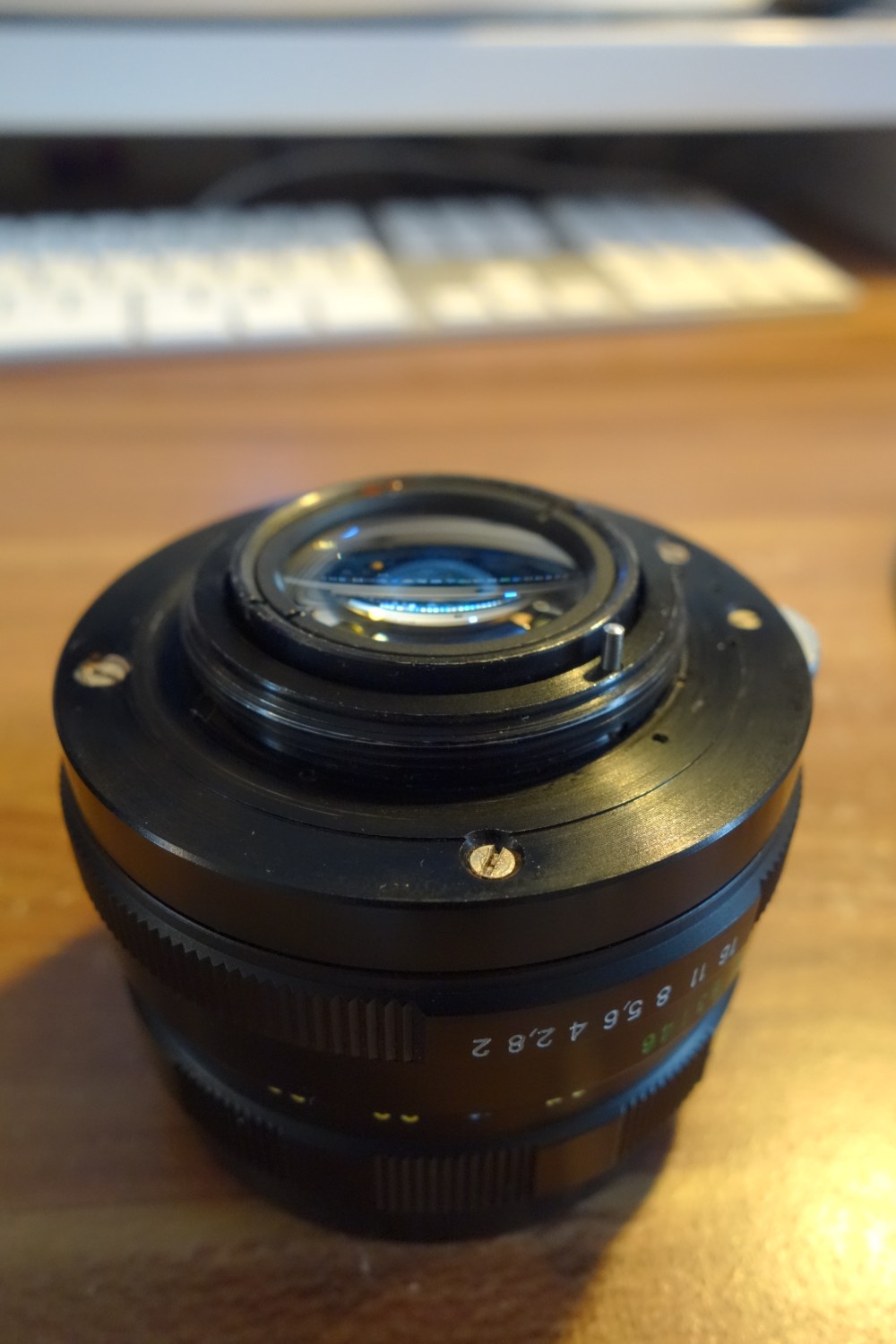
- M42 screw mount (many many old lenses use this mount and, as the name describes, they screw into your camera.
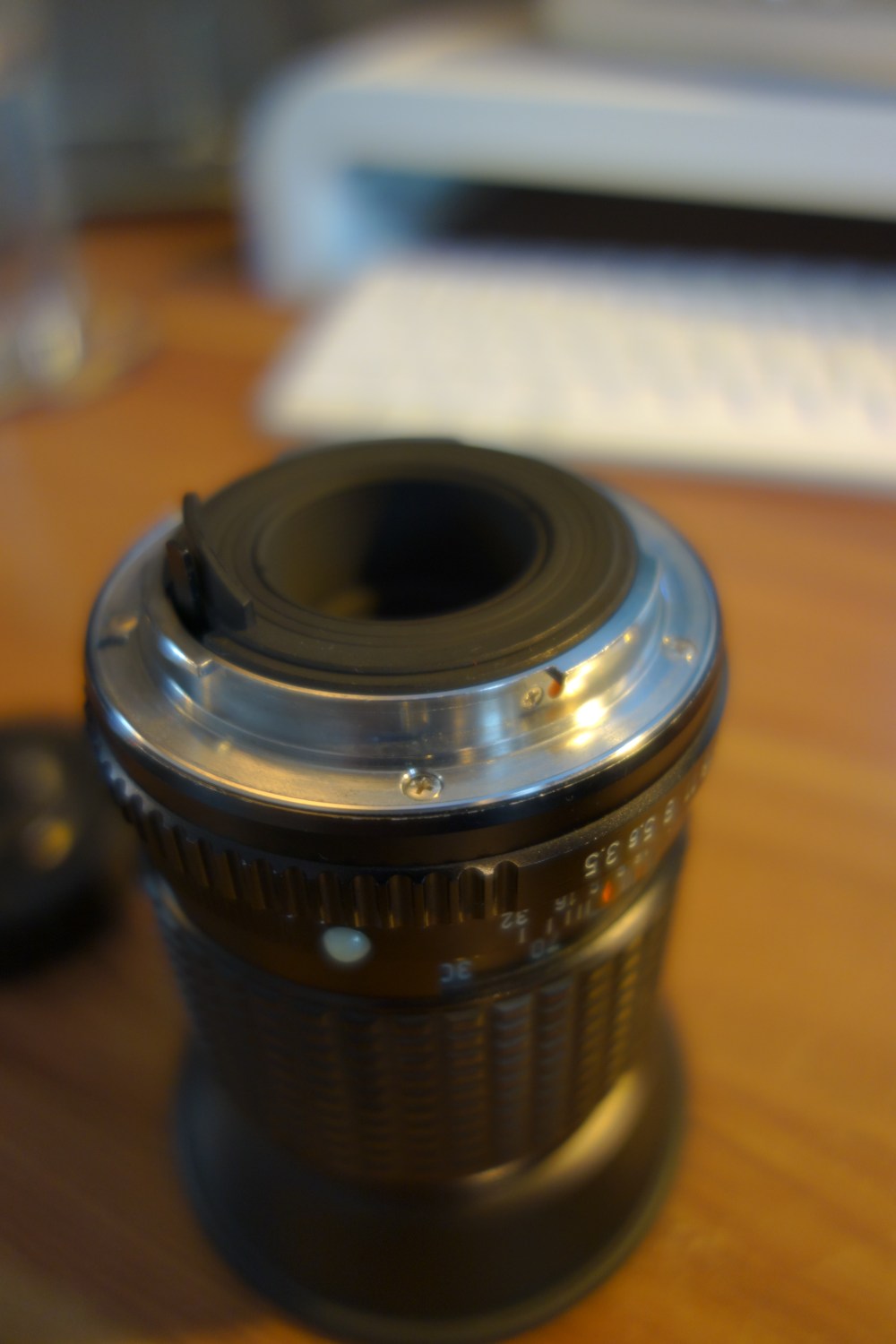
- Pentax, some old lenses may have a Pentax bayonet mount (PK mount). These will still fit on Pentax DSLRs and you will need an adapter for other cameras.
- Nikon/Canon mounts. If you buy an old Nikon lens, this will have an F mount and will fit on new Nikon cameras and can be adapted to other cameras. If you buy an old canon lens, it will have a FD mount. You will need an adapter for this.
For all of the mounts listed above, simply just search on Amazon/Ebay for e.g M42 to Sony E Mount, and buy an adapter. Usually you can get most adapters for less than £10.
My lenses and what I think of them:
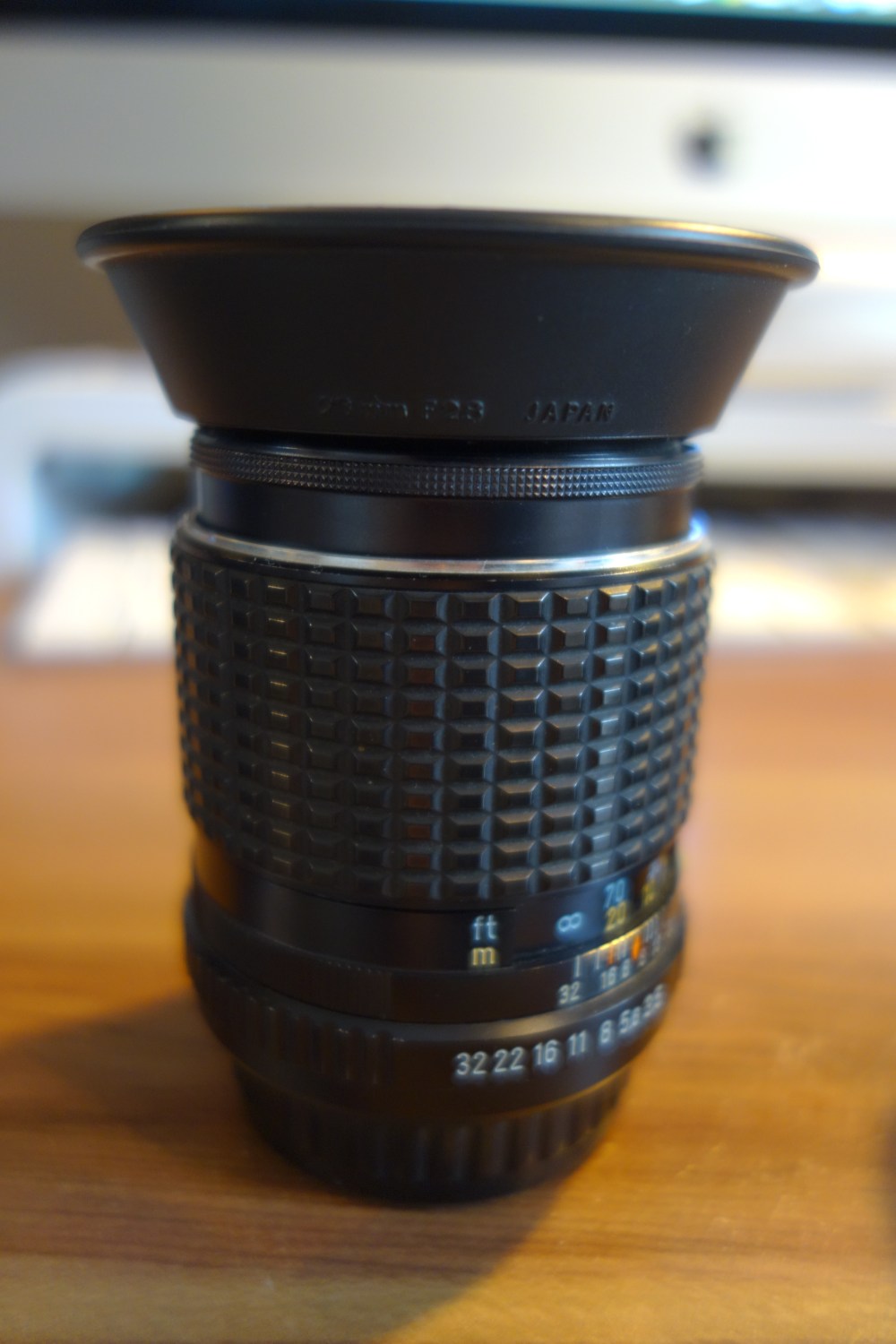
So far I have 3 old lenses that I have adapted to my Fujifilm XT2. The first lens I bought was a 135mm Asahi Pentax f3.5. This has turned out to be a very impressive portrait lens, producing some really impressive sharp results even at f3.5. This lens cost me £5 and so far I am very happy with it. It is surprisingly light and small, extremely well built and the focus ring is still smooth. Pentax lenses are famous for being well built and very sharp. and during my research about this lens I found out that pretty much all Asahi/Pentax vintage lenses will give you great results – especially the Asahi 50mm F1.7 is supposedly very impressive.

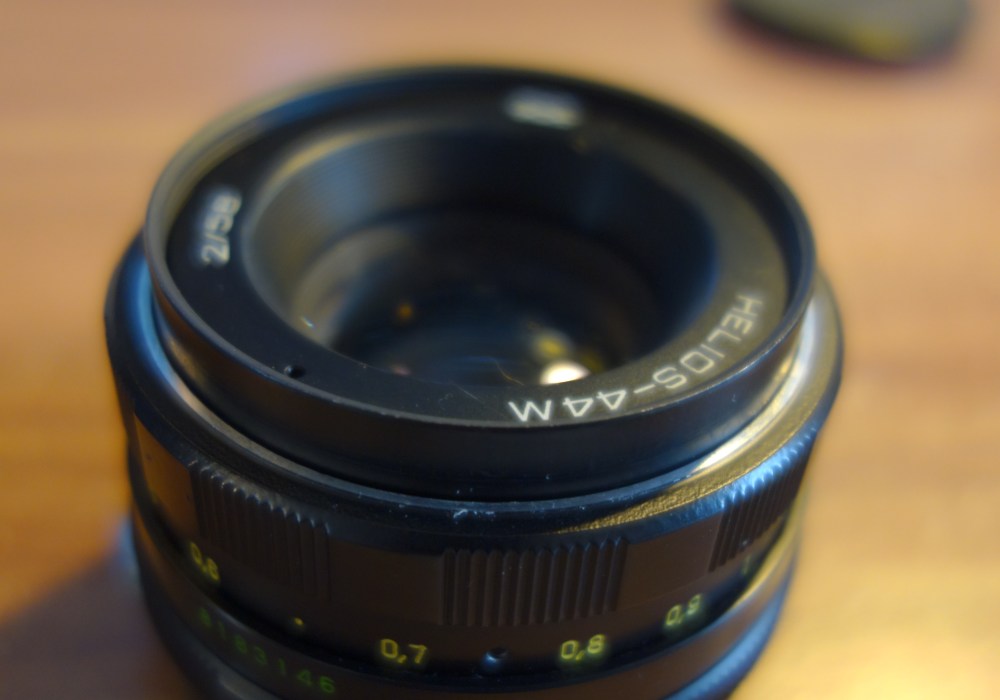
The second lens I got was a helios 58mm F2. This is another portrait lens which is famous for producing a particularly pleasing “swirly background” effect. While it is not very sharp at all at the edges, this does not really matter at all as usually your subject will be placed directly in the centre of the frame and the edges will be out of focus anyway. So far, this is the lens I am most happy with, giving me an optical effect which cannot be replicated by modern lenses, and only for £12.
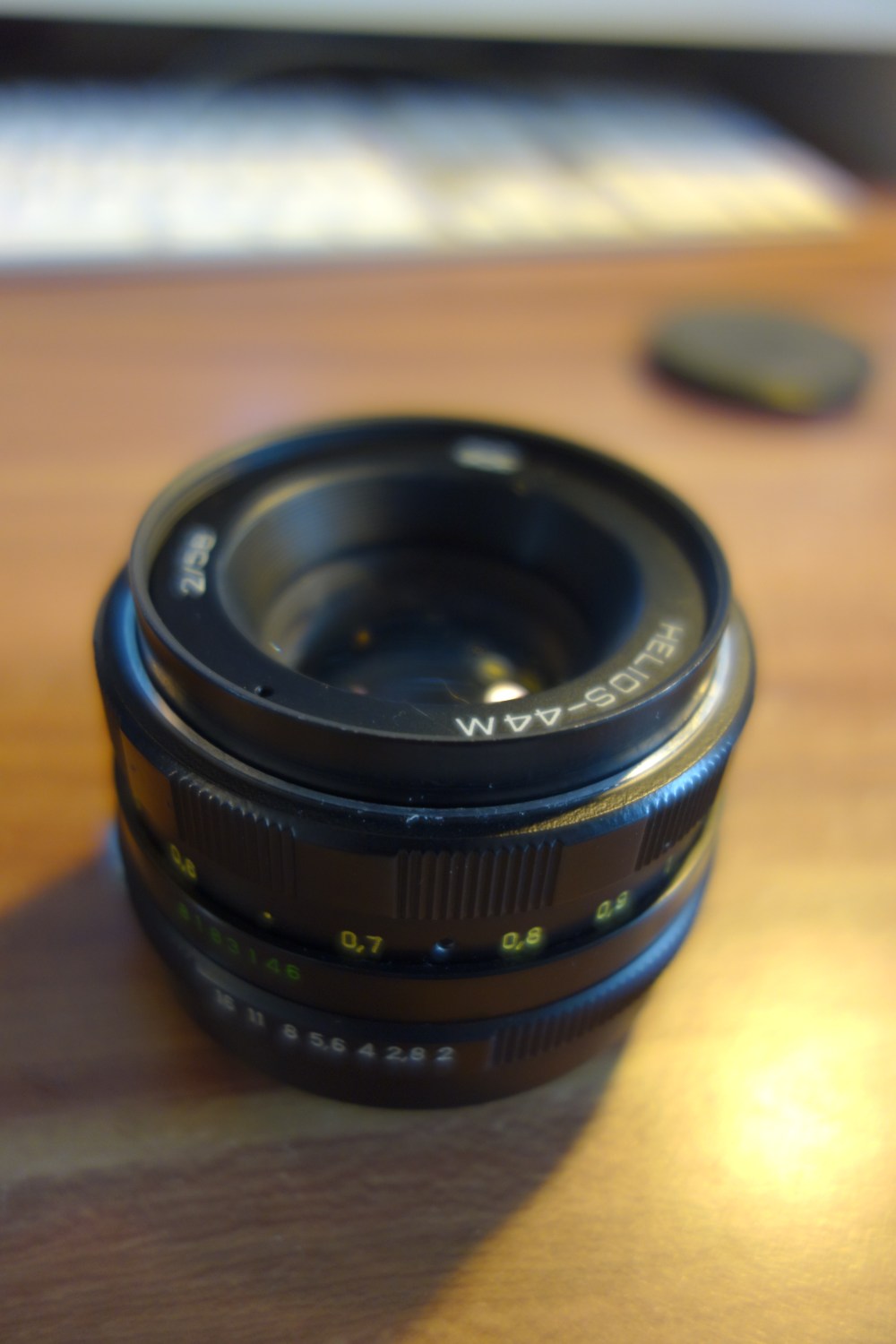


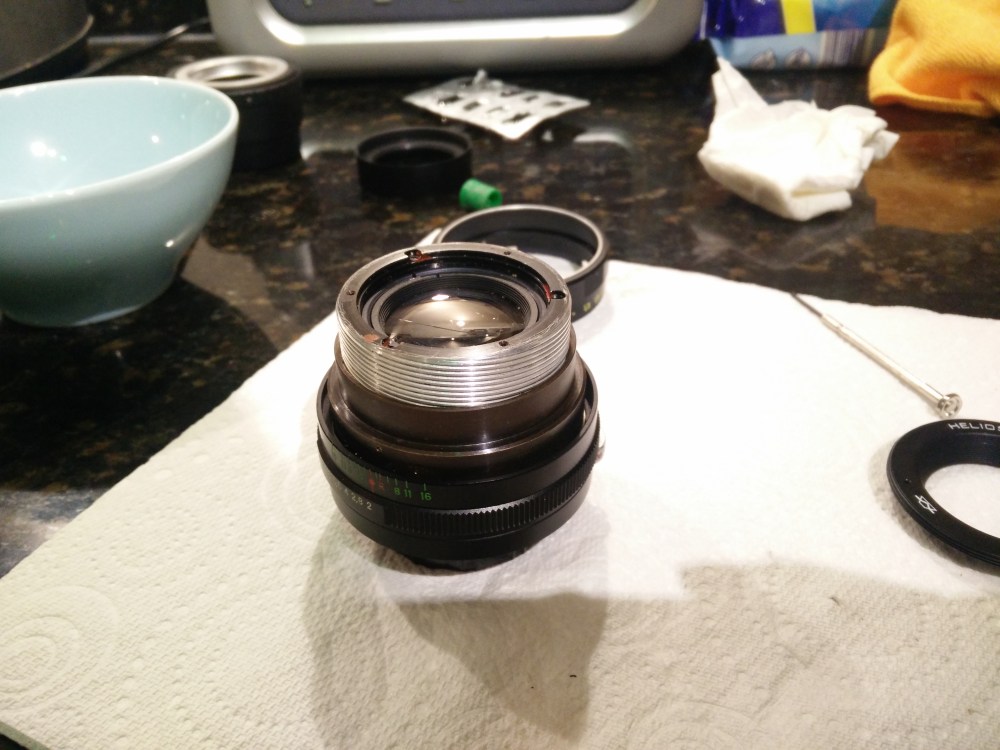
Side note, I managed to get such a great deal on this lens as I made the mistake of choosing an example with a stiff focus ring – which I thought would be little effort to fix myself. Of course, this was not the case, resulting in me taking the whole thing apart- forgetting how to put it back together etc. Eventually after multiple hours I completed the job, ending with s silky smooth focus ring – but I probably should have just spent the extra £5 or so to get a lens which was already like this.
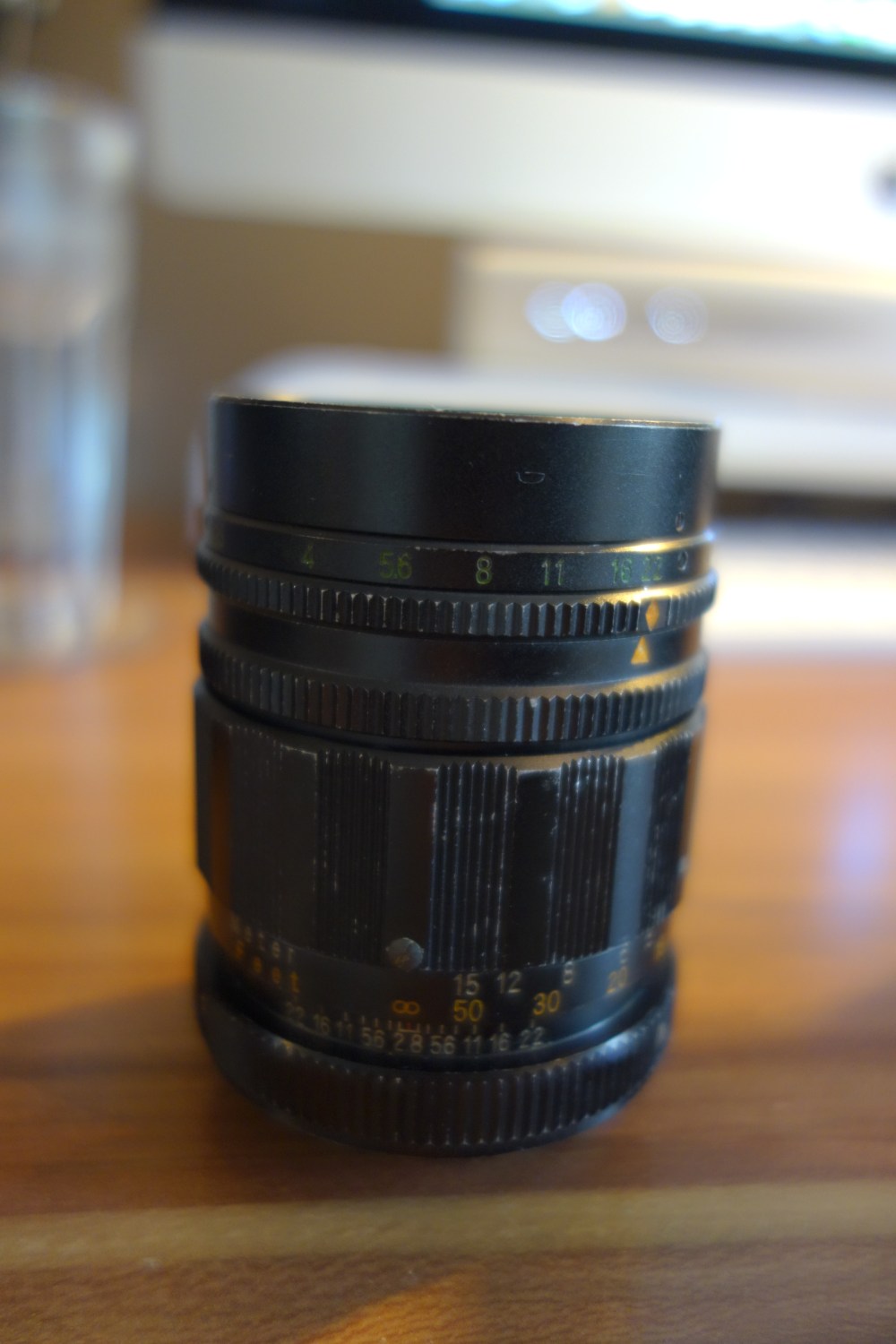
The third lens I have is a Soligor 105mm f2.8 which only cost me £2.50 from a charity shop. While the outside is a bit battered, it is optically clear and the limited testing I have done with it confirms it produces quite a nice image, albeit quite soft.
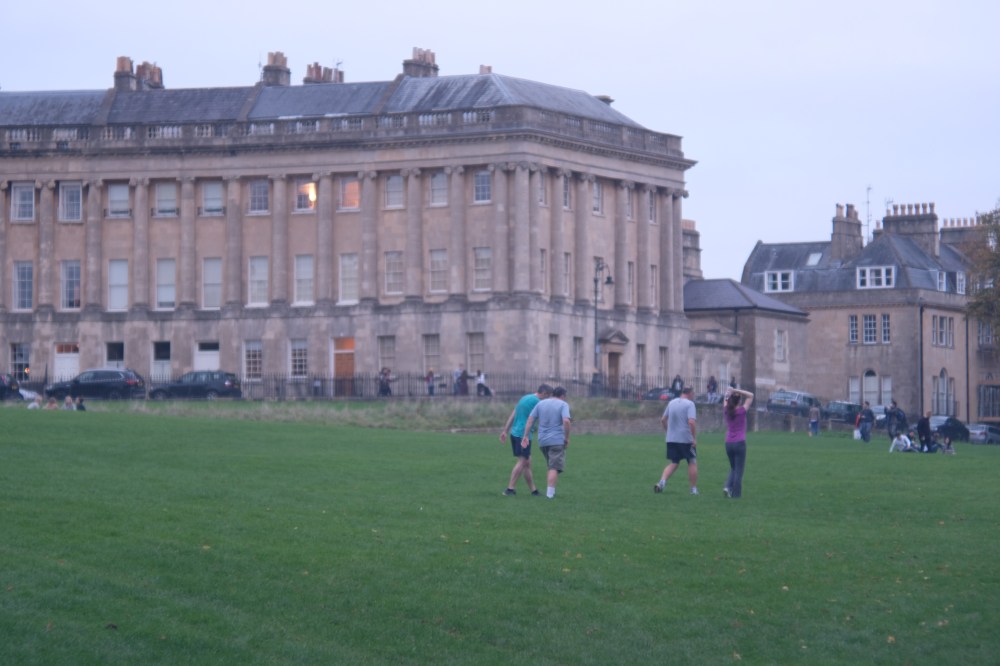
So, should you get vintage lenses? YES! The fact that I have been able to get three brilliant lenses for a tiny fraction of the cost of a modern lens – I would wholeheartedly recommend going on the search for some vintage camera lenses, especially the Helios 58mm which I am extremely impressed with.
Drawbacks? Some people complain about the fact that you have to manual focus these lenses, but to be honest, I would only use this sort of glass for non-moving subjects anyway, portraiture in particular. Combined with the fact that most new cameras nowadays have great manual focus assistance (focus peaking or image magnification assistance), manual focus is not something you can really complain about when getting such great lenses for such little money. Some people also complain about the limited sharpness some of these lenses offer, but I honestly think many of these complaints are not justified. Unless you start zooming into your photos, the softness is barely noticeable- and if you are the sort of person to be printing billboard size photos, you can probably afford some modern glass to get the pinpoint sharpness that you may well desire.
When searching for any old lens there are a few things you need to look out for:
- Is there any fungus? This can grow on lens elements in certain situations.
- Is the focus ring smooth?
- Are there any large scratches, particularly on the rear element? (Front element scratches don’t really show up in images)
- Does it have radioactive elements? Some old lenses used thorium in their glass in order to increase the refractive index of the glass. While thorium is only an emitter of very weak radiation, I personally do not want to take the risk of using a slightly radioactive lens. (Check on this website: http://camerapedia.wikia.com/wiki/Radioactive_lenses)
If the answer to any of these things is no, then just look for another lens, there are so many vintage lenses in circulation, you are allowed to be picky and buy perfect examples that suit your needs perfectly.
Have any thoughts or questions? Feel free to leave a comment on this page.
By Nicholas Joinson.
 Nicholas Joinson